Atkinson police officer loses battle with cancer
By Meghan Carey
Staff writer
ATKINSON — He is described as both a fighter and a family man, but only cancer could take police Cpl. John Lapham away from the people he loved.
Lapham, 39, of Chester lost his 6-month battle with acute leukemia yesterday afternoon.
"He fought to the last minute, that's for sure," said his best friend, Kevin Donnelly. "That's what everyone who came after the passing said."
Donnelly was at his bedside along with Lapham's wife, Amy, parents, sister and another close friend when he died at Brigham and Women's Hospital in Boston.
Lapham was diagnosed with the disease in December. He received a bone marrow transplant two months ago, but later endured complications from drug reactions and recently developed pneumonia.
Lapham's father, Stan, said throughout his son's illness that he was fighting as hard as he could to stay alive so he could be there for his wife and two young sons, Matthew and Justin. No family members were available for comment last night.
Lapham was a police officer in Hampstead before taking over the midnight shift at the Atkinson Police Department eight years ago.
The shift, according to Donnelly, was Lapham's choice.
"He was a father before he was a cop," Donnelly said. "His goal every day was to be home to eat dinner with his family, and he was successful with that about 99.98 percent of the time."
Donnelly said he hopes all the support people have provided Lapham over the last six months will now be given to his family.
"His poor wife has to go home to his 4- and 6-year-old and break them the news," he said. "We have to keep remembering the family."
Lapham was a favorite of many youngsters at Atkinson Academy, where he was the Drug Abuse Resistance Education officer. Last night, the Atkinson youth baseball league held a moment of silence for Lapham before the evening's first pitches were thrown. It was the first time many of the children heard the news.
"He's going to be sadly missed and the good thing I want people to remember him for is the pivotal impact he had on the school, Atkinson Academy," Lt. William Baldwin said. "He had a huge impact on the students there in the DARE program. They all liked him."
Baldwin said the loss of Lapham is another devastating blow to the Police Department. Sgt. Diane Kinney, who served the town for 35 years, and secretarial volunteer Rose Ann Masello both died of cancer just over a month ago.
"I can't put it into words," Baldwin said.
Lapham's peers at the Police Department were so optimistic he would return that they hired a part-time officer to fill his shift for a year with the hope of having a spot available when he was well again.
Funeral arrangements are expected to be made at Brookside Chapel & Funeral Home in Plaistow today.
Lapham's family still needs help
Anyone interested in donating to the Laphams can make a deposit at any Banknorth location, or send a check to: Cpl. John Lapham Fund, c/o TD Banknorth, N.A., 47 Plaistow Road, PO Box 368, Plaistow, NH 03824.
Friday, June 6

Saturday, May 31
Atkinson feels loss of popular businessman
Atkinson feels loss of popular businessman
By John Basilesco
Staff Writer
ATKINSON — Lifelong resident and local businessman Peter Lewis died doing what he loved most — cutting hay on his farm on Salem Road.
Lewis, 68, who had been battling cancer for the past year, was cutting hay Wednesday morning when he suffered a heart attack, according to his brother.
Steven Lewis said his brother had undergone a chemotherapy treatment Tuesday and had been doing much better.
"He died doing what he loved doing," Lewis said, his voice breaking. "It was a beautiful day. He was out on his tractor cutting hay. That was his true passion — farming."
While he operated a small cattle farm, his main business was Lewis Builders in Atkinson, one of the largest building companies in New Hampshire, his brother said. Along with building houses and condominiums, the company built Atkinson Country Club in the 1990s.
Born and raised on a large dairy farm in town, Peter Lewis lived in Atkinson his whole life.
He was an active member of the community. He helped Atkinson in many ways — often behind the scenes — his brother and friends said. This included helping create Atkinson's new town center on Academy Avenue.
"We are all going to feel a great loss in this community with the passing of Peter Lewis," selectmen's Chairman Paul Sullivan said. "Peter is citizen of the decade, if not citizen of the century, for the town of Atkinson."
He served on countless town committees and task forces, helping with a wide variety of projects, including the town center and a new library.
"He was honest, direct and a very private individual," Sullivan said. "His company built residential neighborhoods in Atkinson and, more recently, it built the landmark Atkinson Country Club, which put Atkinson on the map. He had a vision and he built that restaurant and the country club that is enjoyed by many people in this town and surrounding towns."
Police Chief Philip Consentino, a longtime friend, said, "Peter and I were close friends. It's almost a lifetime we have known each other. Only six months in age separated us. I'm sure going to miss him. One of the big differences between Peter and I is that when we got in trouble, I always got caught, but he never did."
Martin Feuer, another longtime friend, said, "I think he will be missed by all the citizens of Atkinson. He always had the interests of Atkinson and its citizens at heart. He's done a lot of wonderful things for a lot of people. He was a very quiet fellow, unassuming, and always willing to lend a hand no matter what the situation was."
Feuer said he will never forget the time his sawmill roof caved in many years ago under the weight of heavy snow. Lewis and his father came over and spent a couple of days rebuilding the roof. They wouldn't take a penny for their efforts, Feuer said.
"He would always be the one that would show up if there was any work to be done in town," Feuer said. "He was always willing to help any group that needed any assistance with both his time and also with his funds."
Along with Lewis Builders, Lewis owned Hampstead Water Co. and East Coast Lumber, a popular business on Route 111 in Hampstead that he owned with one of Feuer's sons.
Stephen Lewis said his brother remained humble despite his business success.
Even though he was the owner of Lewis Builders, it wasn't unusual to see him operating construction equipment or handling a shovel side by side with his employees at a construction site, Lewis said.
"He came from very modest beginnings and everything he had he worked for and earned," Lewis said. "We grew up in a house with no central heating or running water."
"He was a self-made man. He didn't go to college, but he had an abstract ability to look at problems and find solutions that other people wouldn't see. He could look at some land and know just how a street should be built on it, including the drainage."
Peter Lewis is survived by his wife, Alice, two children and four grandchildren.
By John Basilesco
Staff Writer
ATKINSON — Lifelong resident and local businessman Peter Lewis died doing what he loved most — cutting hay on his farm on Salem Road.
Lewis, 68, who had been battling cancer for the past year, was cutting hay Wednesday morning when he suffered a heart attack, according to his brother.
Steven Lewis said his brother had undergone a chemotherapy treatment Tuesday and had been doing much better.
"He died doing what he loved doing," Lewis said, his voice breaking. "It was a beautiful day. He was out on his tractor cutting hay. That was his true passion — farming."
While he operated a small cattle farm, his main business was Lewis Builders in Atkinson, one of the largest building companies in New Hampshire, his brother said. Along with building houses and condominiums, the company built Atkinson Country Club in the 1990s.
Born and raised on a large dairy farm in town, Peter Lewis lived in Atkinson his whole life.
He was an active member of the community. He helped Atkinson in many ways — often behind the scenes — his brother and friends said. This included helping create Atkinson's new town center on Academy Avenue.
"We are all going to feel a great loss in this community with the passing of Peter Lewis," selectmen's Chairman Paul Sullivan said. "Peter is citizen of the decade, if not citizen of the century, for the town of Atkinson."
He served on countless town committees and task forces, helping with a wide variety of projects, including the town center and a new library.
"He was honest, direct and a very private individual," Sullivan said. "His company built residential neighborhoods in Atkinson and, more recently, it built the landmark Atkinson Country Club, which put Atkinson on the map. He had a vision and he built that restaurant and the country club that is enjoyed by many people in this town and surrounding towns."
Police Chief Philip Consentino, a longtime friend, said, "Peter and I were close friends. It's almost a lifetime we have known each other. Only six months in age separated us. I'm sure going to miss him. One of the big differences between Peter and I is that when we got in trouble, I always got caught, but he never did."
Martin Feuer, another longtime friend, said, "I think he will be missed by all the citizens of Atkinson. He always had the interests of Atkinson and its citizens at heart. He's done a lot of wonderful things for a lot of people. He was a very quiet fellow, unassuming, and always willing to lend a hand no matter what the situation was."
Feuer said he will never forget the time his sawmill roof caved in many years ago under the weight of heavy snow. Lewis and his father came over and spent a couple of days rebuilding the roof. They wouldn't take a penny for their efforts, Feuer said.
"He would always be the one that would show up if there was any work to be done in town," Feuer said. "He was always willing to help any group that needed any assistance with both his time and also with his funds."
Along with Lewis Builders, Lewis owned Hampstead Water Co. and East Coast Lumber, a popular business on Route 111 in Hampstead that he owned with one of Feuer's sons.
Stephen Lewis said his brother remained humble despite his business success.
Even though he was the owner of Lewis Builders, it wasn't unusual to see him operating construction equipment or handling a shovel side by side with his employees at a construction site, Lewis said.
"He came from very modest beginnings and everything he had he worked for and earned," Lewis said. "We grew up in a house with no central heating or running water."
"He was a self-made man. He didn't go to college, but he had an abstract ability to look at problems and find solutions that other people wouldn't see. He could look at some land and know just how a street should be built on it, including the drainage."
Peter Lewis is survived by his wife, Alice, two children and four grandchildren.
Thursday, May 29
Timberlane looks to target truancy Superintendent considering partnership with court
Timberlane looks to target truancy Superintendent considering partnership with court system
By Meghan Carey
Staff writer
PLAISTOW — Timberlane officials are considering the possibility of holding court in school to help them cut down on students skipping class.
The Timberlane Regional School Board recently voted to hire a truant officer, but the district's intervention might not stop there.
Superintendent Richard La Salle is also exploring the possibility of partnering with the state family court system to see if it could hold court at the high school once a week or initiate a fine for parents who repeatedly fail to send their children to class. If it did so, Timberlane would be the first school in this area to take this step.
"This is a last resort," La Salle said. "Our administrators work very hard."
Truancy — an unexcused absence from class — becomes habitual at 20-1/2 absences, said Charles Coker, Timberlane's director of secondary education. If a parent doesn't know why a student is out, or the administration doesn't agree with a parent's reason, the school also considers the student truant.
So far this year, there are 13 students at the high school who fall into that category, Coker said. That's down from 28 students last year and 33 the year before, he said. But those figures could still change before the school year is over.
"Those people could use significant interventions," he said.
Both La Salle and Coker have worked in districts where the court system has been involved.
La Salle said while he worked in Nashua, parents who didn't send frequently absent kids to school were fined $200 for each day the student missed.
Coker said his former school district in St. Louis held family court in the school once a week. That seemed to drive the message home very quickly, he said.
Sarah Browning, who handles attendance and discipline issues for the state Department of Education, said a setup like this with the court system would be done on a district-by-district basis. But any school that has a frequently truant student can file a Child in Need of Services petition in juvenile court and bring everyone involved in front of a judge.
"While that isn't often the first step, I wouldn't characterize it as uncommon," she said.
The practice of bringing the court hearing into the school would be a good use of community resources and could work as a model for other schools if it were to work out for Timberlane, Browning said.
"In this day and age, we need to think outside the box and be creative," she said.
Currently at Timberlane, the only tools administrators have to combat truancy are after-school detentions, Saturday detentions, counseling from guidance and suspension. But Coker said suspension is not an appropriate solution to those who skip school.
Truancy is mostly a high school problem, and isn't as much of an issue in the lower level schools, Coker said.
Elementary school parents always call in when their children are sick, and only a few don't send their child to school "appropriately," he said. The same goes at the middle school, he said, where most students haven't figured out how to disappear on their own yet.
Timberlane has had $1,100 in its budget for a truant officer position for a few years now, but never hired anyone to fill it. La Salle is looking for someone who would work on a contractual basis and do mostly home visits to try to get families back on track. He'd like to bring someone on board as soon as possible.
The truant officer — who would have either a counseling or law enforcement background — could occasionally use the "old-fashioned" method of grabbing students off the streets and driving them back to school, he said.
But officials want this person to meet with parents of the students who miss the most school and help them get compliance from their children, La Salle said. It could be that there is a separate issue, like addiction, and the officer would help those parents find resources to help.
The truant officer could also file a Child in Need of Services petition in juvenile court, asking the court to intervene, he said.
If a student is missing a lot of school, it's usually for one of two reasons, La Salle said. Either the child is out of control and delinquent, or the child is being raised by an irresponsible parent, he said.
A judge could interpret that in many ways, but, either way, four hearings would have to be held. It could be a benefit to have those held in the school so administrators don't have to leave the building, Coker said.
Other school districts in the area have truant officers, but none has an agreement with the court like the one Timberlane is considering.
Keith Pfeiffer, superintendent of the Sanborn Regional School District, said he uses the police chiefs in Kingston and Newton, as well as the school resource officer, as truant officers. While that system works well, he was intrigued by the idea of bringing the court system into the school.
"That would be a nice idea," Pfeiffer said. "Typically, we go to Rockingham County in Brentwood, which is not too far from us."
By Meghan Carey
Staff writer
PLAISTOW — Timberlane officials are considering the possibility of holding court in school to help them cut down on students skipping class.
The Timberlane Regional School Board recently voted to hire a truant officer, but the district's intervention might not stop there.
Superintendent Richard La Salle is also exploring the possibility of partnering with the state family court system to see if it could hold court at the high school once a week or initiate a fine for parents who repeatedly fail to send their children to class. If it did so, Timberlane would be the first school in this area to take this step.
"This is a last resort," La Salle said. "Our administrators work very hard."
Truancy — an unexcused absence from class — becomes habitual at 20-1/2 absences, said Charles Coker, Timberlane's director of secondary education. If a parent doesn't know why a student is out, or the administration doesn't agree with a parent's reason, the school also considers the student truant.
So far this year, there are 13 students at the high school who fall into that category, Coker said. That's down from 28 students last year and 33 the year before, he said. But those figures could still change before the school year is over.
"Those people could use significant interventions," he said.
Both La Salle and Coker have worked in districts where the court system has been involved.
La Salle said while he worked in Nashua, parents who didn't send frequently absent kids to school were fined $200 for each day the student missed.
Coker said his former school district in St. Louis held family court in the school once a week. That seemed to drive the message home very quickly, he said.
Sarah Browning, who handles attendance and discipline issues for the state Department of Education, said a setup like this with the court system would be done on a district-by-district basis. But any school that has a frequently truant student can file a Child in Need of Services petition in juvenile court and bring everyone involved in front of a judge.
"While that isn't often the first step, I wouldn't characterize it as uncommon," she said.
The practice of bringing the court hearing into the school would be a good use of community resources and could work as a model for other schools if it were to work out for Timberlane, Browning said.
"In this day and age, we need to think outside the box and be creative," she said.
Currently at Timberlane, the only tools administrators have to combat truancy are after-school detentions, Saturday detentions, counseling from guidance and suspension. But Coker said suspension is not an appropriate solution to those who skip school.
Truancy is mostly a high school problem, and isn't as much of an issue in the lower level schools, Coker said.
Elementary school parents always call in when their children are sick, and only a few don't send their child to school "appropriately," he said. The same goes at the middle school, he said, where most students haven't figured out how to disappear on their own yet.
Timberlane has had $1,100 in its budget for a truant officer position for a few years now, but never hired anyone to fill it. La Salle is looking for someone who would work on a contractual basis and do mostly home visits to try to get families back on track. He'd like to bring someone on board as soon as possible.
The truant officer — who would have either a counseling or law enforcement background — could occasionally use the "old-fashioned" method of grabbing students off the streets and driving them back to school, he said.
But officials want this person to meet with parents of the students who miss the most school and help them get compliance from their children, La Salle said. It could be that there is a separate issue, like addiction, and the officer would help those parents find resources to help.
The truant officer could also file a Child in Need of Services petition in juvenile court, asking the court to intervene, he said.
If a student is missing a lot of school, it's usually for one of two reasons, La Salle said. Either the child is out of control and delinquent, or the child is being raised by an irresponsible parent, he said.
A judge could interpret that in many ways, but, either way, four hearings would have to be held. It could be a benefit to have those held in the school so administrators don't have to leave the building, Coker said.
Other school districts in the area have truant officers, but none has an agreement with the court like the one Timberlane is considering.
Keith Pfeiffer, superintendent of the Sanborn Regional School District, said he uses the police chiefs in Kingston and Newton, as well as the school resource officer, as truant officers. While that system works well, he was intrigued by the idea of bringing the court system into the school.
"That would be a nice idea," Pfeiffer said. "Typically, we go to Rockingham County in Brentwood, which is not too far from us."
The Right to Know issue, from someone who is involved
Publius, please accept this as an ARTICLE SUBMISSION.
Mr. Brownfield’s presentation to the Board of Selectmen, regarding DENIAL OF RIGHT TO KNOW INFORMATION by our Selectmen is now on youtube for your immediate viewing. It is only 7 minutes long! Copy and paste in your browser: http://www.youtube.com/watch?v=y3YPBWB_jDE
Town Government cries “FOUL” to the press, when caught denying, refusing, and illegally withholding - - Right to Know Information. This is a clear case of Selectmen “trying to put a shine on a sneaker” before being held accountable to a higher authority. What the video shows - Chairman of the Board Paul Sullivan at the Selectmen’s Meeting on 5/5/2008 restricts town resident Mr. Brownfield to only 10 minutes to discuss (1) DENIAL OF RIGHT TO KNOW INFORMATION, (2) Freedom of Speech, (3) A new petition to revalue the Town of Atkinson signed by more than 150 taxpayers. Sullivan refuses to allow Mr. Brownfield to appear again before the Board to discuss Items (2) and (3). Brownfield's Freedom of Speech to discuss Freedom of Speech is denied as is legally required Right to Know information.
Tuesday, May 6
Selectmen’s Meeting May 5, 2008 8:15 PM
Board Members: Paul Sullivan, Fred Childs, Bill Friel
Mr. Brownfield’s presentation to the Atkinson Board of Selectmen:
Brownfield says: I am to speak with alacrity, as it is my understanding that you have limited me to only 10 minutes to discuss the following issues:
1. Denial by the Board of Selectmen of required Right to Know information.
2. Freedom of Speech – Removal of all atkinson-reporter.blogspot.com signs from the town prior to an election.
3. The new Petition to revalue the Town of Atkinson signed by over 150 property owners.
Given the 10-minute “constriction” this board forced upon me, I will address the denial of Right to Know issues. I will begin by reading my presentation. Afterwards I will seek specific answers to my questions.
Sirs,
On April 14 of this year, I presented a Request to Know letter to the Chairman of this Board of Selectmen on behalf of the Atkinson Taxpayers Committee. A second letter was presented on April 23rd and again on May 2nd along with a copy of the Right to Know Law. I asked this copy of the Right to Know Law to be distributed to each selectman. Did you gentlemen receive, read and understand all the information presented?
So we assume that you are aware that you can be held individually and collectively responsible for not complying with the law.
To date, I have not received any information regarding my RIGHT TO KNOW requests for:
1. The minutes of the meeting between Mr. Sullivan and Mr. Sapia regarding their discussion of Town counsel’s opinion as to the legality of removing atkinson-reporter.blogspot.com signs prior to our last election. (THIS CONSTITUES A FREEDOM OF SPEECH ISSUE)
2. The minutes of the meeting between selectmen regarding your response to Mr. Artus’s 14 questions when he appeared in front of the board. You provided only four (weak and incomplete) responses to the 14 questions.
As you know, the law requires that all minutes must be written within 72 hours and posted FREE OF CHARGE within 144 hours (6 days). To date, that information is not available and has not been given to me.
My questions to you tonight are:
1. Why are the minutes not approved and posted within the legal requirements?
2. Why is this board not meeting its legal requirements?
3. Why have I not received my required answers to my committee’s questions under the RIGHT TO KNOW LAW?
4. When will I have ALL the answers to my questions?
5. When is this board going to stop breaking the laws of this state and . . .
6. When is this board going to meet its legal responsibilities in answering RTK requests and stop wasting the taxpayers time and money?
7. What policy is this board going to put into place to reimburse taxpayers for the amount of money and time spent, when these
requests are not met in the legal time allowed?
Sirs, it appears that the past and present board believes that the RIGHT TO KNOW LAW is. . . a. . . joke! Further, the past and present board believes that it can withhold, not declare, falsify and even remove information from town files, in order to keep the taxpayer from getting information the board does not want the public to have. This is further evidenced by this boards new policy of charging $15.00 an hour plus .50 cents a copy to get RTK information. This policy CLEARLY goes against the intent of the Right to Know Law.
The most important question I ask is the following:
1. Will you commit tonight, to stop breaking the RIGHT TO KNOW LAW or are you going to force the taxpayers of this town, to take you to superior court to get you to obey the laws of this state?
Sirs, I present you, individually with my fourth request for the information you are withholding in violation of the Right to Know Law.
Comments:
1. Selectmen refuse to commit to Mr. Brownfield for a date for their reply.
2. Selectmen refuse to allow Brownfield to appear again before the board to discuss his two other issues, Freedom of Speech – Removal of all atkinson-reporter.blogspot.com signs from the town prior to an election and the new Petition to revalue the Town of Atkinson, signed by over 150 property owners.
3. Sullivan promised in the video to ANSWER IN WRITING the following question –“Will you commit tonight, to stop breaking the RIGHT TO KNOW LAW or are you going to force the taxpayers of this town, to take you to superior court to get you to obey the laws of this state?” To date (5/29/2008) No ANSWER IN WRITING by Sullivan has been provided. This is yet another BROKEN PROMISE just as the Selectmen’s Office is “littered” with broken promises to provide Right to Know Information to the citizens of Atkinson.
Mr. Brownfield’s presentation regarding DENIAL OF RIGHT TO KNOW INFORMATION by our Selectmen is now on youtube for your immediate viewing. It is only 7 minutes long! Copy and paste in your browser: http://www.youtube.com/watch?v=y3YPBWB_jDE
Mr. Brownfield’s presentation to the Board of Selectmen, regarding DENIAL OF RIGHT TO KNOW INFORMATION by our Selectmen is now on youtube for your immediate viewing. It is only 7 minutes long! Copy and paste in your browser: http://www.youtube.com/watch?v=y3YPBWB_jDE
Town Government cries “FOUL” to the press, when caught denying, refusing, and illegally withholding - - Right to Know Information. This is a clear case of Selectmen “trying to put a shine on a sneaker” before being held accountable to a higher authority. What the video shows - Chairman of the Board Paul Sullivan at the Selectmen’s Meeting on 5/5/2008 restricts town resident Mr. Brownfield to only 10 minutes to discuss (1) DENIAL OF RIGHT TO KNOW INFORMATION, (2) Freedom of Speech, (3) A new petition to revalue the Town of Atkinson signed by more than 150 taxpayers. Sullivan refuses to allow Mr. Brownfield to appear again before the Board to discuss Items (2) and (3). Brownfield's Freedom of Speech to discuss Freedom of Speech is denied as is legally required Right to Know information.
Tuesday, May 6
Selectmen’s Meeting May 5, 2008 8:15 PM
Board Members: Paul Sullivan, Fred Childs, Bill Friel
Mr. Brownfield’s presentation to the Atkinson Board of Selectmen:
Brownfield says: I am to speak with alacrity, as it is my understanding that you have limited me to only 10 minutes to discuss the following issues:
1. Denial by the Board of Selectmen of required Right to Know information.
2. Freedom of Speech – Removal of all atkinson-reporter.blogspot.com signs from the town prior to an election.
3. The new Petition to revalue the Town of Atkinson signed by over 150 property owners.
Given the 10-minute “constriction” this board forced upon me, I will address the denial of Right to Know issues. I will begin by reading my presentation. Afterwards I will seek specific answers to my questions.
Sirs,
On April 14 of this year, I presented a Request to Know letter to the Chairman of this Board of Selectmen on behalf of the Atkinson Taxpayers Committee. A second letter was presented on April 23rd and again on May 2nd along with a copy of the Right to Know Law. I asked this copy of the Right to Know Law to be distributed to each selectman. Did you gentlemen receive, read and understand all the information presented?
So we assume that you are aware that you can be held individually and collectively responsible for not complying with the law.
To date, I have not received any information regarding my RIGHT TO KNOW requests for:
1. The minutes of the meeting between Mr. Sullivan and Mr. Sapia regarding their discussion of Town counsel’s opinion as to the legality of removing atkinson-reporter.blogspot.com signs prior to our last election. (THIS CONSTITUES A FREEDOM OF SPEECH ISSUE)
2. The minutes of the meeting between selectmen regarding your response to Mr. Artus’s 14 questions when he appeared in front of the board. You provided only four (weak and incomplete) responses to the 14 questions.
As you know, the law requires that all minutes must be written within 72 hours and posted FREE OF CHARGE within 144 hours (6 days). To date, that information is not available and has not been given to me.
My questions to you tonight are:
1. Why are the minutes not approved and posted within the legal requirements?
2. Why is this board not meeting its legal requirements?
3. Why have I not received my required answers to my committee’s questions under the RIGHT TO KNOW LAW?
4. When will I have ALL the answers to my questions?
5. When is this board going to stop breaking the laws of this state and . . .
6. When is this board going to meet its legal responsibilities in answering RTK requests and stop wasting the taxpayers time and money?
7. What policy is this board going to put into place to reimburse taxpayers for the amount of money and time spent, when these
requests are not met in the legal time allowed?
Sirs, it appears that the past and present board believes that the RIGHT TO KNOW LAW is. . . a. . . joke! Further, the past and present board believes that it can withhold, not declare, falsify and even remove information from town files, in order to keep the taxpayer from getting information the board does not want the public to have. This is further evidenced by this boards new policy of charging $15.00 an hour plus .50 cents a copy to get RTK information. This policy CLEARLY goes against the intent of the Right to Know Law.
The most important question I ask is the following:
1. Will you commit tonight, to stop breaking the RIGHT TO KNOW LAW or are you going to force the taxpayers of this town, to take you to superior court to get you to obey the laws of this state?
Sirs, I present you, individually with my fourth request for the information you are withholding in violation of the Right to Know Law.
Comments:
1. Selectmen refuse to commit to Mr. Brownfield for a date for their reply.
2. Selectmen refuse to allow Brownfield to appear again before the board to discuss his two other issues, Freedom of Speech – Removal of all atkinson-reporter.blogspot.com signs from the town prior to an election and the new Petition to revalue the Town of Atkinson, signed by over 150 property owners.
3. Sullivan promised in the video to ANSWER IN WRITING the following question –“Will you commit tonight, to stop breaking the RIGHT TO KNOW LAW or are you going to force the taxpayers of this town, to take you to superior court to get you to obey the laws of this state?” To date (5/29/2008) No ANSWER IN WRITING by Sullivan has been provided. This is yet another BROKEN PROMISE just as the Selectmen’s Office is “littered” with broken promises to provide Right to Know Information to the citizens of Atkinson.
Mr. Brownfield’s presentation regarding DENIAL OF RIGHT TO KNOW INFORMATION by our Selectmen is now on youtube for your immediate viewing. It is only 7 minutes long! Copy and paste in your browser: http://www.youtube.com/watch?v=y3YPBWB_jDE
Wednesday, May 28
Atkinson selectmen, residents at odds over right-to-know requests
Article submission: Eagle Tribune, today...May 28, 2008
Atkinson selectmen, residents at odds over right-to-know requests
By Meghan Carey
Staff writer
ATKINSON — Town officials said they are overburdened by right-to-know requests that are too broad to easily research.
Selectmen want to know if they are legally required to do lengthy research to fulfill the blanket requests, according to selectmen's Chairman Paul Sullivan.
The town has sent a response letter to each request, but those making the requests said they aren't getting the information they want — and they don't think they ever will.
Some requests have been for copies of minutes from each meeting during which a specific topic was discussed, Sullivan said. The time it takes for staff members to go through each set of minutes and look for a specific topic costs the town money, he said.
"We need to figure out if this is our obligation to research," he said.
It's not, according to Bill Chapman, a Concord attorney who specializes in right-to-know law. Government bodies are required to fulfill reasonably described requests, he said.
"If we look at it from just a common sense basis, to say all minutes where a particular matter has been discussed is not reasonably describing it," Chapman said.
The person filing the request should ask for copies of minutes from specific meeting dates, he said. Or, since agencies are required to keep all minutes on file, the person asking should be able to look through years of minutes themselves, he said.
"The purpose of the right-to-know law is to not only honor the public's right to know, but also to not put undue burden on the governing body," Chapman said.
He said he doesn't recall a case where the words "reasonably described" were challenged. But those who file right-to-know requests in Atkinson have not been satisfied with the town's answers, and one resident said he's ready to challenge officials on it.
Leon Artus said between his committee — Atkinson Taxpayers for Fair Evaluations — and others, more than 30 right-to-know requests have been filed in town since the beginning of the year. He said many of those requests are "in transition" now because he didn't get the answers he wanted.
"Never have, and obviously never will, until it's taken to a higher authority," he said.
But selectmen maintain they are following the law.
Selectman Bill Friel said requests need to be more specific.
"This one also asks for some conclusions for us to answer, which isn't part of the right-to-know law," he said.
Large green, black and white Right to Know Law signs are now posted around Town Hall, reminding residents of what they can and cannot request.
The town is required, by law, to respond to the requests within five business days. But with requests for all public mentions of a certain subject, such as assessing, there isn't time for interim Town Administrator Craig Kleman to do lots of research, especially in that time frame, the selectmen said.
Since he arrived in April, Kleman said he has worked on four right-to-know projects. The requests ranged from meeting minutes to information on personnel files, which cannot be publicly released, he said.
"It's a very time-consuming process and, you know, you want to make sure you are really answering the spirit of the right-to-know law," he said.
Kleman said he couldn't estimate how long he spends on each case nor the total amount of time he has spent.
Atkinson selectmen, residents at odds over right-to-know requests
By Meghan Carey
Staff writer
ATKINSON — Town officials said they are overburdened by right-to-know requests that are too broad to easily research.
Selectmen want to know if they are legally required to do lengthy research to fulfill the blanket requests, according to selectmen's Chairman Paul Sullivan.
The town has sent a response letter to each request, but those making the requests said they aren't getting the information they want — and they don't think they ever will.
Some requests have been for copies of minutes from each meeting during which a specific topic was discussed, Sullivan said. The time it takes for staff members to go through each set of minutes and look for a specific topic costs the town money, he said.
"We need to figure out if this is our obligation to research," he said.
It's not, according to Bill Chapman, a Concord attorney who specializes in right-to-know law. Government bodies are required to fulfill reasonably described requests, he said.
"If we look at it from just a common sense basis, to say all minutes where a particular matter has been discussed is not reasonably describing it," Chapman said.
The person filing the request should ask for copies of minutes from specific meeting dates, he said. Or, since agencies are required to keep all minutes on file, the person asking should be able to look through years of minutes themselves, he said.
"The purpose of the right-to-know law is to not only honor the public's right to know, but also to not put undue burden on the governing body," Chapman said.
He said he doesn't recall a case where the words "reasonably described" were challenged. But those who file right-to-know requests in Atkinson have not been satisfied with the town's answers, and one resident said he's ready to challenge officials on it.
Leon Artus said between his committee — Atkinson Taxpayers for Fair Evaluations — and others, more than 30 right-to-know requests have been filed in town since the beginning of the year. He said many of those requests are "in transition" now because he didn't get the answers he wanted.
"Never have, and obviously never will, until it's taken to a higher authority," he said.
But selectmen maintain they are following the law.
Selectman Bill Friel said requests need to be more specific.
"This one also asks for some conclusions for us to answer, which isn't part of the right-to-know law," he said.
Large green, black and white Right to Know Law signs are now posted around Town Hall, reminding residents of what they can and cannot request.
The town is required, by law, to respond to the requests within five business days. But with requests for all public mentions of a certain subject, such as assessing, there isn't time for interim Town Administrator Craig Kleman to do lots of research, especially in that time frame, the selectmen said.
Since he arrived in April, Kleman said he has worked on four right-to-know projects. The requests ranged from meeting minutes to information on personnel files, which cannot be publicly released, he said.
"It's a very time-consuming process and, you know, you want to make sure you are really answering the spirit of the right-to-know law," he said.
Kleman said he couldn't estimate how long he spends on each case nor the total amount of time he has spent.
Towns Merge Police Departments
Anonymous said...
Publius: Article Submission:
Towns Merge Police Departments
Why not Atkinson & Plaistow?
Manchester Union Leader
TOWNS TEAM UP FOR POLICE PROTECTION
By KATHRYN MARCHOCKI
New Hampshire Union Leader Staff
Monday, May. 26, 2008
The small, southern New Hampshire towns of Greenville and Temple broke barriers when they forged a new jointly run police department three years ago.
The concept has been such a hit in terms of efficiency, savings, and retaining high-quality officers that the towns recently renewed their agreement for five years and caught the eye of other communities exploring regional police services, local officials said.
"For us, it's been fantastic," Temple-Greenville Police Chief James H. McTague said.
"I'm not saying a merger is for everyone. But based on our experience, it was the best thing that either town could have done," he added.
Still, McTague admits convincing the two towns to give up their separate police departments and create a joint new one was a hard sell.
Merging police forces -- or fire departments and road agents for that matter -- strikes at the heart of New Hampshire's precious local control credo. But Yankee thrift can be equally compelling and seems to be driving the latest cluster of communities considering a shared force.
"With costs and everything today, you've got to say, 'Okay, how do we get the most bang for the buck?' We've got to look at every option," Antrim Town Administrator Bill Prokop said.
Antrim recently joined with Deering, Bennington and Hancock -- all communities of less than 2,700 tucked in the northwestern corner of Hillsborough County -- to explore a regional police force. The recent departure of Antrim's police chief provided the opportunity to revisit the issue.
"We're always trying to cut or maintain costs and improve services," especially in an era of rising fuel, health insurance and retirement costs, Antrim Selectmen Chairman Michael D. Genest said.
McTague predicts other communities will give regionalization a serious look given the savings it offers.
Greenville shaved $115,000 from its police budget and Temple $46,000 during the first year their towns merged forces, he said.
A joint force also solved problems that towns struggled with individually. Temple no longer had to build a police station to replace its one-room quarters and got better coverage, while Greenville got a good quality force, McTague explained. And he said better pay staunched the flow of officers leaving to work at other forces just after the towns invested considerable money in training and equipping them.
"I think you are going to find more and more towns say, when their chief retires or move on, that this is something we should consider, especially with the economy and officers (leaving)," McTague said.
"I think more communities are looking at it than they have in the past," agreed Earl M. Sweeney, the state's assistant commissioner of safety.
More towns have seen their populations rise from 300 to 400 people to 1,200 to 1,400 -- large enough to have more crime and collisions, but not big enough to field their own full-time police departments, he said.
"We've got some of these communities at the awkward stage that they are not quite large enough to have a police department, but they have enough business that the citizens want a little more protection. Some of these small communities might be able to band together and create a regional police department," Sweeney added.
And state police, which generally would cover these towns, "are stretched," Sweeney said. There aren't enough troopers to provide 24-hour coverage statewide and response times can be long, he added.
Yankee tradition
Advantages of regional police forces include economies of scale that can allow towns to put more cruisers on the road, provide round-the-clock coverage and even hire a detective to follow up on cases, Sweeney said.
But the hurdles can be significant.
Towns must consider topography, square miles a regional force would cover, response time, and be in the same county and served by the same district court, Sweeney said.
Regional police forces -- while common in other parts of the country -- are rare in New Hampshire.
The state law that allows communities to forge intermunicipal agreements is 31 years old. But the Temple-Greenville Police Department is the only one created under the statute currently in existence.
"It's a New England, Yankee tradition that we like to have control of our own municipal services," Sweeney said. "It's like community policing; everyone likes to have their own police officer."
"It's a New Hampshire thing," Cheshire County Sheriff Richard A. Foote agreed. "People have their own police departments and their police chiefs and that's what the individual towns want .... There is no right or wrong decision."
But James B. Andrews, who wrote and helped pass RSA 53-A, said the intermunicipal agreement law enables towns to govern themselves more efficiently, less expensively and with more professional help.
"I can't understand why there hasn't been a lot of them. I don't think that's progressive," added Andrews, executive director of the New Hampshire Local Government Center Inc., a nonprofit group that represents cities and towns.
"Maybe there is the thought that, 'Oh, we're going to lose some control,' which isn't the case. It makes financial sense and it makes good government sense," he added.
It's more common for small towns to hire a county sheriff's department or larger, neighboring community to provide police coverage for a fee than to create shared police departments, state and county officials said. For instance, Gilsum, a town of about 740 people with no police department, pays to have Cheshire County deputy sheriff's provide police coverage, Foote said.
Meanwhile, state police often remain the only law enforcers in rural areas where many small towns have no police force of their own, Sweeney said.
"A lot of the smaller communities rely on state police heavily for their help. You can certainly see it in the North Country. They do a great job. The communities are pleased and, let's face it, may not be able to afford any more than that," said Peter Morency, Berlin police chief and president of the New Hampshire Association of Chiefs of Police.
Link to article:
http://www.theunionleader.com/article.aspx?headline=Towns+tea
Publius: Article Submission:
Towns Merge Police Departments
Why not Atkinson & Plaistow?
Manchester Union Leader
TOWNS TEAM UP FOR POLICE PROTECTION
By KATHRYN MARCHOCKI
New Hampshire Union Leader Staff
Monday, May. 26, 2008
The small, southern New Hampshire towns of Greenville and Temple broke barriers when they forged a new jointly run police department three years ago.
The concept has been such a hit in terms of efficiency, savings, and retaining high-quality officers that the towns recently renewed their agreement for five years and caught the eye of other communities exploring regional police services, local officials said.
"For us, it's been fantastic," Temple-Greenville Police Chief James H. McTague said.
"I'm not saying a merger is for everyone. But based on our experience, it was the best thing that either town could have done," he added.
Still, McTague admits convincing the two towns to give up their separate police departments and create a joint new one was a hard sell.
Merging police forces -- or fire departments and road agents for that matter -- strikes at the heart of New Hampshire's precious local control credo. But Yankee thrift can be equally compelling and seems to be driving the latest cluster of communities considering a shared force.
"With costs and everything today, you've got to say, 'Okay, how do we get the most bang for the buck?' We've got to look at every option," Antrim Town Administrator Bill Prokop said.
Antrim recently joined with Deering, Bennington and Hancock -- all communities of less than 2,700 tucked in the northwestern corner of Hillsborough County -- to explore a regional police force. The recent departure of Antrim's police chief provided the opportunity to revisit the issue.
"We're always trying to cut or maintain costs and improve services," especially in an era of rising fuel, health insurance and retirement costs, Antrim Selectmen Chairman Michael D. Genest said.
McTague predicts other communities will give regionalization a serious look given the savings it offers.
Greenville shaved $115,000 from its police budget and Temple $46,000 during the first year their towns merged forces, he said.
A joint force also solved problems that towns struggled with individually. Temple no longer had to build a police station to replace its one-room quarters and got better coverage, while Greenville got a good quality force, McTague explained. And he said better pay staunched the flow of officers leaving to work at other forces just after the towns invested considerable money in training and equipping them.
"I think you are going to find more and more towns say, when their chief retires or move on, that this is something we should consider, especially with the economy and officers (leaving)," McTague said.
"I think more communities are looking at it than they have in the past," agreed Earl M. Sweeney, the state's assistant commissioner of safety.
More towns have seen their populations rise from 300 to 400 people to 1,200 to 1,400 -- large enough to have more crime and collisions, but not big enough to field their own full-time police departments, he said.
"We've got some of these communities at the awkward stage that they are not quite large enough to have a police department, but they have enough business that the citizens want a little more protection. Some of these small communities might be able to band together and create a regional police department," Sweeney added.
And state police, which generally would cover these towns, "are stretched," Sweeney said. There aren't enough troopers to provide 24-hour coverage statewide and response times can be long, he added.
Yankee tradition
Advantages of regional police forces include economies of scale that can allow towns to put more cruisers on the road, provide round-the-clock coverage and even hire a detective to follow up on cases, Sweeney said.
But the hurdles can be significant.
Towns must consider topography, square miles a regional force would cover, response time, and be in the same county and served by the same district court, Sweeney said.
Regional police forces -- while common in other parts of the country -- are rare in New Hampshire.
The state law that allows communities to forge intermunicipal agreements is 31 years old. But the Temple-Greenville Police Department is the only one created under the statute currently in existence.
"It's a New England, Yankee tradition that we like to have control of our own municipal services," Sweeney said. "It's like community policing; everyone likes to have their own police officer."
"It's a New Hampshire thing," Cheshire County Sheriff Richard A. Foote agreed. "People have their own police departments and their police chiefs and that's what the individual towns want .... There is no right or wrong decision."
But James B. Andrews, who wrote and helped pass RSA 53-A, said the intermunicipal agreement law enables towns to govern themselves more efficiently, less expensively and with more professional help.
"I can't understand why there hasn't been a lot of them. I don't think that's progressive," added Andrews, executive director of the New Hampshire Local Government Center Inc., a nonprofit group that represents cities and towns.
"Maybe there is the thought that, 'Oh, we're going to lose some control,' which isn't the case. It makes financial sense and it makes good government sense," he added.
It's more common for small towns to hire a county sheriff's department or larger, neighboring community to provide police coverage for a fee than to create shared police departments, state and county officials said. For instance, Gilsum, a town of about 740 people with no police department, pays to have Cheshire County deputy sheriff's provide police coverage, Foote said.
Meanwhile, state police often remain the only law enforcers in rural areas where many small towns have no police force of their own, Sweeney said.
"A lot of the smaller communities rely on state police heavily for their help. You can certainly see it in the North Country. They do a great job. The communities are pleased and, let's face it, may not be able to afford any more than that," said Peter Morency, Berlin police chief and president of the New Hampshire Association of Chiefs of Police.
Link to article:
http://www.theunionleader.com/article.aspx?headline=Towns+tea
Tuesday, May 27
Conflicts of Interest- Redux
It has come to this blog's attention that for the first time we have a selectman, who is not only the ex-officio liason to the planning board, but also vie-chair of the ZBA!
Now for those who don't know, the ZBA is supposed to remain independent due to their legal ability to overrule decisions of both the planning board, and the selectmen.
It would appear to be a clear conflict of interest for one man to sit on all three, even if he recused himself. When elected, selectman Friel should have resigned from the ZBA. Failing that ZBA chairman, Polito, should have recognized the inherent conflict and asked him to resign, but, of course, this IS Atkinson, and neither of those circumstances happened.
So Let's take a recent case history here in town; The selectmen decide to violate conservation deed restrictions on town owned land, by not just allowing, but advocating for a business owner to put up an enormous sign, on town property. The selectmen go to the planning board and speak on the business owners behalf. The case goes to the ZBA, where the vice-chair, is someon who has had a hand in this decision already at two stages of the process, would this contaminate the fairness of the process? Yup!
But as the selectmen have told you for the last 5 years, no one in town cares about conflict of interest, but for two people with vendettas. Dont expect the conflict of interest committee to do anything, they have been looking the other way for years.
Now for those who don't know, the ZBA is supposed to remain independent due to their legal ability to overrule decisions of both the planning board, and the selectmen.
It would appear to be a clear conflict of interest for one man to sit on all three, even if he recused himself. When elected, selectman Friel should have resigned from the ZBA. Failing that ZBA chairman, Polito, should have recognized the inherent conflict and asked him to resign, but, of course, this IS Atkinson, and neither of those circumstances happened.
So Let's take a recent case history here in town; The selectmen decide to violate conservation deed restrictions on town owned land, by not just allowing, but advocating for a business owner to put up an enormous sign, on town property. The selectmen go to the planning board and speak on the business owners behalf. The case goes to the ZBA, where the vice-chair, is someon who has had a hand in this decision already at two stages of the process, would this contaminate the fairness of the process? Yup!
But as the selectmen have told you for the last 5 years, no one in town cares about conflict of interest, but for two people with vendettas. Dont expect the conflict of interest committee to do anything, they have been looking the other way for years.
Sunday, May 25
Town offers settlement in Federal Civil Right Suit!
This Is the case that for the last three years Phil and Jack have been saying had no merit, that Frank said was "a million dollar joke".
The really unbelievable thing here is that in New Hampshire, which is notorious for not giving monetary judgements unless ACTUAL MONEY was lost, they still felt the need to settle, with a $30,000 payment.
Article Submission, re today's Eagle Tribune:
Town, resident settle lawsuit for $30,000
By Meghan Carey
Staff writer
CONCORD — Atkinson resident Carol Grant has settled a lawsuit against the town and four officials for $30,000.
Grant, who has often been at odds with town officials, claimed Selectman Fred Childs, police Chief Philip Consentino, former Selectman Jack Sapia and Moderator Frank Polito damaged her reputation during selectmen's meetings in 2005.
After mediation, Grant was awarded $30,000 and the promise that her name won't be mentioned at future selectmen's meetings unless she is present, she said.
In exchange, Grant can't bring the same claims against the town or those officials, according to Garry Lane, the town's attorney. Both parties agreed to work out future problems — outside of court, he said.
The case, which was filed in Superior Court in January 2007, was immediately moved to U.S. District Court because Grant alleged the defendants infringed on her constitutional rights.
"There's so much back-and-forth hostility," Lane said. "We needed something to kind of break that cycle, a way to move forward."
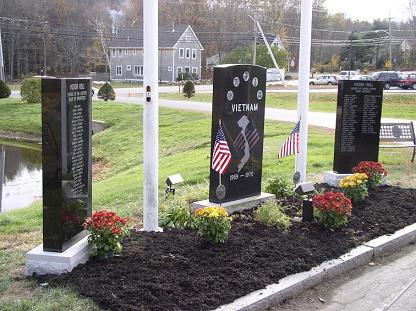
Grant sued for "malice, slander and libel with intentional infliction of harm" for officials' comments during meetings about the Vietnam Memorial Honor Rolls.
She said yesterday she's glad the case is over and she doesn't have to worry about her name "being raked over the coals" at selectmen's meetings anymore. Grant said she didn't seek a specific amount of money.
"It wouldn't matter whether they paid one penny or $1 million, just the fact that they had to pay something was satisfaction enough," she said. "I'm not out to make money off the town, but I wanted them to pay something as an acknowledgement that they'd engaged in wrongdoing."
Lane said there was no admission of liability in the case. Insurance companies for the town and the four individuals paid the $30,000. Everyone apologized and agreed to mediate any future problems, instead of seeking litigation, he said.
"We'll talk about issues, but not make nasty comments about each other," Lane said.
Selectmen Chairman Paul Sullivan said yesterday the case was over and a copy of the settlement is available at Town Hall.
"We did finally find mutual grounds to settle," he said.
There is still one civil lawsuit pending against the town, according to Sullivan. Former Budget Committee member Mark Acciard filed a $3 million lawsuit against the town, Consentino, Sapia and Polito in Superior Court in January. He's seeking compensation for damages, lost wages and loss of reputation for incidents that occurred between 2004 and December 2007.
Acciard is claiming the town didn't protect his reputation during public meetings.
Another chapter in the Sapia, Consentino, Childs as selectmen story closes.
The really unbelievable thing here is that in New Hampshire, which is notorious for not giving monetary judgements unless ACTUAL MONEY was lost, they still felt the need to settle, with a $30,000 payment.
Article Submission, re today's Eagle Tribune:
Town, resident settle lawsuit for $30,000
By Meghan Carey
Staff writer
CONCORD — Atkinson resident Carol Grant has settled a lawsuit against the town and four officials for $30,000.
Grant, who has often been at odds with town officials, claimed Selectman Fred Childs, police Chief Philip Consentino, former Selectman Jack Sapia and Moderator Frank Polito damaged her reputation during selectmen's meetings in 2005.
After mediation, Grant was awarded $30,000 and the promise that her name won't be mentioned at future selectmen's meetings unless she is present, she said.
In exchange, Grant can't bring the same claims against the town or those officials, according to Garry Lane, the town's attorney. Both parties agreed to work out future problems — outside of court, he said.
The case, which was filed in Superior Court in January 2007, was immediately moved to U.S. District Court because Grant alleged the defendants infringed on her constitutional rights.
"There's so much back-and-forth hostility," Lane said. "We needed something to kind of break that cycle, a way to move forward."
Grant sued for "malice, slander and libel with intentional infliction of harm" for officials' comments during meetings about the Vietnam Memorial Honor Rolls.
She said yesterday she's glad the case is over and she doesn't have to worry about her name "being raked over the coals" at selectmen's meetings anymore. Grant said she didn't seek a specific amount of money.
"It wouldn't matter whether they paid one penny or $1 million, just the fact that they had to pay something was satisfaction enough," she said. "I'm not out to make money off the town, but I wanted them to pay something as an acknowledgement that they'd engaged in wrongdoing."
Lane said there was no admission of liability in the case. Insurance companies for the town and the four individuals paid the $30,000. Everyone apologized and agreed to mediate any future problems, instead of seeking litigation, he said.
"We'll talk about issues, but not make nasty comments about each other," Lane said.
Selectmen Chairman Paul Sullivan said yesterday the case was over and a copy of the settlement is available at Town Hall.
"We did finally find mutual grounds to settle," he said.
There is still one civil lawsuit pending against the town, according to Sullivan. Former Budget Committee member Mark Acciard filed a $3 million lawsuit against the town, Consentino, Sapia and Polito in Superior Court in January. He's seeking compensation for damages, lost wages and loss of reputation for incidents that occurred between 2004 and December 2007.
Acciard is claiming the town didn't protect his reputation during public meetings.
Another chapter in the Sapia, Consentino, Childs as selectmen story closes.
Tuesday, May 20
Monday, May 19
Which do YOU think is the greater crime?...
Attempting to abduct a 10 year old child walking home from school? Or placing fliers on mailboxes?
Evidently, to our police chief, the fliers are the greater crime!
At tonights selectmens meeting chief Consentino commented on WMUR's headline story tonight, that on Thursday last there was an attempted abduction in Atkinson!
We are only NOW hearing about this 4 DAYS after the incident!!! WHY???
Chief Consentino claims it is because he didn't find our about the incident until the end of the duty day on Friday when he was cleaning out his inbox. He stated that by then it was too late to involve the school or the media.
This blog finds it improbable that an incident of this magnitude happens in Atkinson, and the chief of police doesnt even know about it for 27 hours after it happens!
Compare that to chief Consentino's brief self appointed stint as a federal US Postal Service Inspector, where he saw the crime being committed, pulled over the perp, called the USPS inspectors, complained to the postmaster, and reported all of this at a selectmens meeting that night! Yessiree!! Justice is swift when you have previously pissed off our chief law enforcement officer.
Yet when one of our children is in danger from a possible child predator, the story is "well no one told me"!
Another episode in the lives of our Keystone Coppish chief of police.
Evidently, to our police chief, the fliers are the greater crime!
At tonights selectmens meeting chief Consentino commented on WMUR's headline story tonight, that on Thursday last there was an attempted abduction in Atkinson!
We are only NOW hearing about this 4 DAYS after the incident!!! WHY???
Chief Consentino claims it is because he didn't find our about the incident until the end of the duty day on Friday when he was cleaning out his inbox. He stated that by then it was too late to involve the school or the media.
This blog finds it improbable that an incident of this magnitude happens in Atkinson, and the chief of police doesnt even know about it for 27 hours after it happens!
Compare that to chief Consentino's brief self appointed stint as a federal US Postal Service Inspector, where he saw the crime being committed, pulled over the perp, called the USPS inspectors, complained to the postmaster, and reported all of this at a selectmens meeting that night! Yessiree!! Justice is swift when you have previously pissed off our chief law enforcement officer.
Yet when one of our children is in danger from a possible child predator, the story is "well no one told me"!
Another episode in the lives of our Keystone Coppish chief of police.
Subscribe to:
Posts (Atom)
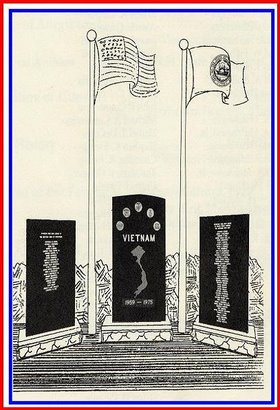
ATKINSON's Vietnam HONOR ROLL as VOTED and PASSED by 2005 Town Meeting and re-approved at Special Town Meeting Sept. 12